

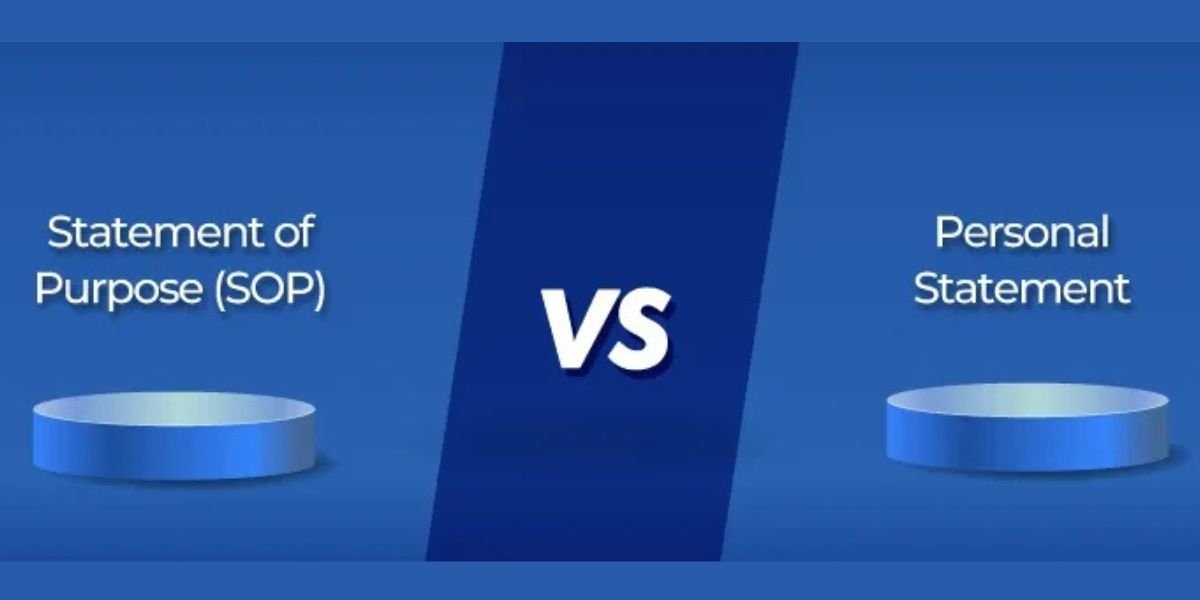
SOP vs Personal Statement: 7 Crucial Differences Between SOP and Personal Statement To Unlock Your Admission Triumph
In the competitive world of university admissions, crafting the perfect application can feel overwhelming. Two key documents often confuse applicants: the Statement of Purpose (SOP) and the Personal Statement. But what sets them apart? This blog dives deep into the SOP vs Personal Statement debate, helping you navigate these essential application essays with confidence. Whether you’re applying to graduate programs or undergraduate courses, knowing these distinctions can be the game-changer in your university admissions journey.
Introduction to SOP vs Personal Statement: Why Understanding the Difference Matters
The SOP vs Personal Statement comparison is crucial because misusing them could derail your chances. A Statement of Purpose focuses on your professional goals and fit for a program, while a Personal Statement highlights your personal story and motivations. Over the next sections, we’ll explore 7 crucial differences, backed by expert insights, to unlock your admission triumph. By the end, you’ll have actionable tips to master both.
University admissions committees review thousands of application essays each year. Standing out requires precision. If you’ve ever wondered why one applicant gets accepted while another doesn’t, it often boils down to how well they’ve tailored their SOP or Personal Statement. Let’s break it down.
What is a Statement of Purpose (SOP)?
The Statement of Purpose, or SOP, is a formal document that outlines your academic and professional background, future goals, and reasons for choosing a specific program. In the SOP vs Personal Statement context, the SOP is more structured and goal-oriented. It’s commonly required for graduate school applications, especially in fields like engineering, business, or sciences.
Think of the SOP as your professional roadmap. It answers questions like: Why this program? How does your experience align? What contributions will you make? For instance, if you’re applying for an MBA, your SOP might detail your work experience in finance and how the program’s curriculum will help you launch a startup.
According to university admissions guidelines from top institutions, a strong SOP demonstrates research into the program. It should include specific faculty members or courses that excite you. Length-wise, SOPs typically range from 500 to 1,000 words, emphasizing clarity and conciseness.
Common pitfalls in writing an SOP include being too vague or repeating your resume. Instead, use it to showcase your intellectual curiosity. In the broader SOP vs Personal Statement discussion, the SOP leans heavily on facts and future projections, making it less about personal anecdotes and more about strategic fit.
What is a Personal Statement?
On the flip side, the Personal Statement is a more narrative-driven piece that reveals who you are beyond grades and test scores. In comparing SOP vs Personal Statement, this document is often used for undergraduate admissions or scholarships, focusing on your life experiences, challenges, and growth.
A Personal Statement might recount a pivotal moment, like overcoming a family hardship that sparked your interest in medicine. It’s your chance to humanize your application essays, showing resilience, passion, and unique perspectives.
Unlike the SOP, which is program-specific, the Personal Statement is broader, allowing creativity. Universities like Oxford or Harvard emphasize authenticity here—admissions officers want to “hear your voice.” Typical length is 400-650 words, as per Common App standards.
In university admissions, a compelling Personal Statement can tip the scales for borderline candidates. It addresses prompts like “Discuss an accomplishment” or “Describe a challenge,” weaving in personal insights that make you memorable.
7 Differences Between SOP and Personal Statement
1: Purpose and Focus
The first crucial difference in SOP vs Personal Statement lies in their core purpose. The Statement of Purpose is forward-looking, emphasizing your career aspirations and how the program fits into them. It’s about proving you’re a perfect match for the academic environment.
Conversely, the Personal Statement is reflective, delving into your past experiences and personal development. It answers “Who are you?” rather than “What will you do?” This shift in focus makes application essays for undergrad more story-based, while grad ones are strategic.
For example, in university admissions for a law program, your SOP might discuss policy research goals, while your Personal Statement could explore a volunteer experience that ignited your justice passion. Ignoring this leads to generic submissions— a common rejection reason.
2: Structure and Tone
Structure is another key in SOP vs Personal Statement. SOPs follow a logical format: introduction with goals, body with qualifications, and conclusion tying to the program. The tone is professional, academic, and objective.
Personal Statements, however, allow flexibility—often starting with a hook like an anecdote. The tone is engaging, personal, and sometimes emotional. In application essays, this means SOPs use formal language (“I intend to research…”), while Personal Statements might say (“That rainy day changed everything…”).
3: Audience and Customization
Who reads these? In SOP vs Personal Statement, SOPs target department faculty, so customization is vital—mention specific professors or labs.
Personal Statements appeal to general admissions committees, focusing on institutional values like diversity. Less program-specific, they’re more about overall fit.
This difference affects how you tailor application essays. For grad school, research the program deeply; for undergrad, align with the school’s ethos.
4: Content Emphasis
Content-wise, SOP vs Personal Statement diverges on what to include. SOPs highlight academic achievements, research, and skills—quantifiable elements like publications or projects.
Personal Statements emphasize soft skills, extracurriculars, and life lessons. In university admissions, this means SOPs might discuss a thesis, while Personal Statements cover leadership in a club.
Blending them wrongly dilutes impact. Focus on strengths: data for SOP, stories for Personal Statement.
5: Length and Depth
Length varies in SOP vs Personal Statement. SOPs are longer, allowing in-depth program analysis—up to 1,500 words in some cases.
Personal Statements are concise, forcing brevity. This tests your editing skills in application essays.
University admissions value quality over quantity, but understanding limits prevents disqualification.
6: Common Prompts and Requirements
Prompts differ too. SOP vs Personal Statement: SOP prompts ask “Why this field?” or “Career plans?”
Personal Statement prompts are open: “Background” or “Influential event.”
In university admissions, match the prompt, SOP for specifics, Personal Statement for narratives.
7: Impact on Admissions Decisions
Finally, their weight in decisions. In SOP vs Personal Statement, SOPs can make or break grad applications, showing readiness.
Personal Statements humanize undergrad apps, especially for holistic reviews.
Mastering both enhances your university admissions odds.
Tips for Writing an Effective Statement of Purpose
To excel in SOP vs Personal Statement, start your SOP with a clear thesis. Research the program—cite details. Use metrics: “Led a team that increased efficiency by 20%.”
Avoid clichés; be specific. Edit for flow, ensuring 1-2% keyword density for SEO if blogging about it.
Tips for Writing a Compelling Personal Statement
For Personal Statements, hook with a story. Show growth: problem, action, result.
Be authentic—admissions spot fakes. Revise multiple times.
Common Mistakes to Avoid in Both
In SOP vs Personal Statement, mistakes include plagiarism, vagueness, or ignoring guidelines. Proofread!
Conclusion: Choosing the Right One for Your Application
Understanding SOP vs Personal Statement is key to university admissions success. With these 7 differences, you’re equipped to craft standout application essays. Remember, the Statement of Purpose is your professional pitch, the Personal Statement your personal tale. Apply wisely to unlock your admission triumph.




Comment
10 Powerful Statement Of Purpose Tips: Unlock Your Ultimate Graduate Admissions Victory | UCL ADMISSIONS
November 24, 2025 - 12:40 pm[…] Many get confused between the SOP and Personal Statement, in our another article you can learn the difference between SOP and Personal Statement. By integrating these SOP writing essentials, you’ll transform your application essay into a […]